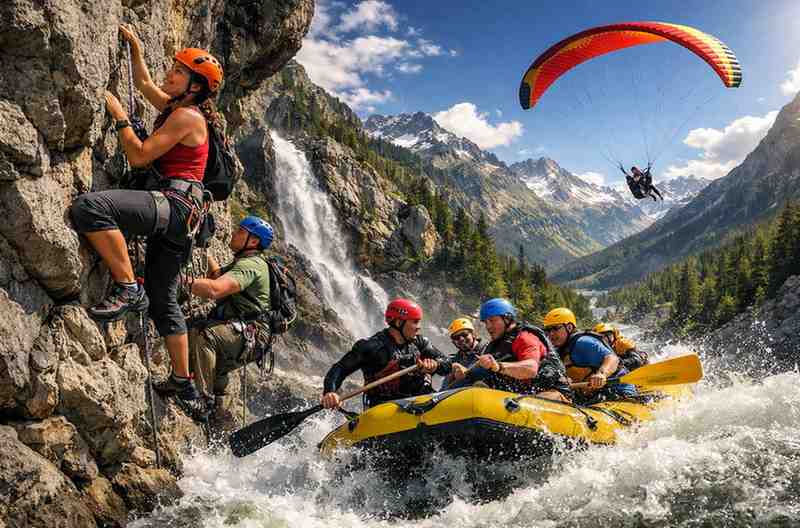
For those who crave more than passive sightseeing, adventure tourism offers an electrifying way to experience the world. From scaling rugged mountains to diving into the ocean’s depths, from navigating wild safaris to trekking through dense forests, adventure tourism is about pushing limits, embracing nature, and discovering yourself along the way.
This isn’t just travel—it’s an experience that challenges, exhilarates, and transforms.
What Is Adventure Tourism?
Adventure tourism is a subset of travel that involves physical activity, exploration, and risk in natural or culturally rich environments. Unlike traditional tourism, which often centers on sightseeing or leisure, adventure tourism immerses travelers in active experiences that engage the body, mind, and senses.
Common forms include:
- Trekking and mountaineering
- Scuba diving and snorkeling
- Wildlife safaris
- White-water rafting, zip-lining, and rock climbing
- Paragliding or hot-air ballooning
The goal is to explore off-the-beaten-path destinations, challenge yourself physically, and create unforgettable memories.
Why Adventure Tourism Appeals
- Connection to Nature: Experiencing raw landscapes—mountains, oceans, deserts, or jungles—creates a profound sense of awe.
- Personal Growth: Overcoming physical challenges fosters resilience, confidence, and self-discovery.
- Unique Experiences: Seeing wildlife up close on safari, swimming with marine life, or reaching a mountain summit is unforgettable.
- Cultural Immersion: Many adventure activities happen in remote or rural communities, allowing travelers to interact meaningfully with locals.
Popular Adventure Tourism Activities
1. Trekking and Mountaineering
Trekking offers more than exercise; it is a journey through landscapes and cultures. Trails range from easy day hikes to challenging multi-day expeditions, each offering breathtaking scenery and opportunities to observe flora, fauna, and local traditions. Popular destinations include the Himalayas, the Andes, and the Alps.
Tips: Choose guided treks for safety, acclimate to altitude gradually, and pack responsibly for minimal environmental impact.
2. Scuba Diving and Snorkeling
Adventure tourism beneath the waves unlocks a world most people rarely see. Coral reefs, shipwrecks, and marine wildlife—from manta rays to sea turtles—offer unforgettable experiences. Destinations like the Great Barrier Reef, Maldives, and Palau are famous for their underwater biodiversity.
Tips: Always dive with certified instructors, respect marine ecosystems, and avoid touching coral or disturbing wildlife.
3. Wildlife Safaris
Safari tours take adventure to the heart of animal habitats. Observing lions, elephants, rhinos, and exotic birds in their natural environments is both thrilling and educational. Safaris in Africa, India, and Southeast Asia offer immersive experiences that combine adrenaline with learning about ecosystems and conservation.
Tips: Follow park rules, maintain safe distances, and avoid feeding or approaching wild animals.
4. Extreme Adventure Activities
For adrenaline junkies, adventure tourism includes extreme sports such as white-water rafting, paragliding, zip-lining, bungee jumping, and rock climbing. These activities test courage, agility, and focus while offering breathtaking perspectives on the natural world.
Tips: Use certified operators, wear safety gear, and understand your limits.
The Importance of Safety and Sustainability
Adventure tourism comes with inherent risks, making safety a top priority. Proper training, reliable guides, quality equipment, and risk awareness are essential.
Equally important is sustainable adventure tourism:
- Minimize environmental impact by staying on marked trails or dive paths.
- Respect wildlife and avoid disrupting natural behaviors.
- Support local communities through eco-friendly tour operators and fair employment.
By balancing thrill with responsibility, adventure tourism can be both exciting and ethical.
Benefits of Adventure Tourism
- Physical Health: Many activities involve cardiovascular, strength, and endurance training.
- Mental Wellbeing: Being in nature reduces stress, boosts mood, and encourages mindfulness.
- Cultural Exposure: Engaging with local communities creates understanding and appreciation of diverse lifestyles.
- Environmental Awareness: Adventure tourism fosters respect for nature and encourages conservation-minded behavior.
Final Thoughts
Adventure tourism is about stepping outside comfort zones and embracing the unknown with curiosity and courage. It’s where thrill meets learning, nature meets culture, and every experience becomes a story to share.
Whether trekking to a mountaintop at sunrise, scuba diving through vibrant coral reefs, or observing a pride of lions in the wild, adventure tourism reminds us that the world is vast, wild, and full of wonder. It invites travelers to not just visit—but to live and feel every moment.
Adventure isn’t just a vacation—it’s a way of connecting deeply to the planet and yourself. 🌄🤿🦁✨