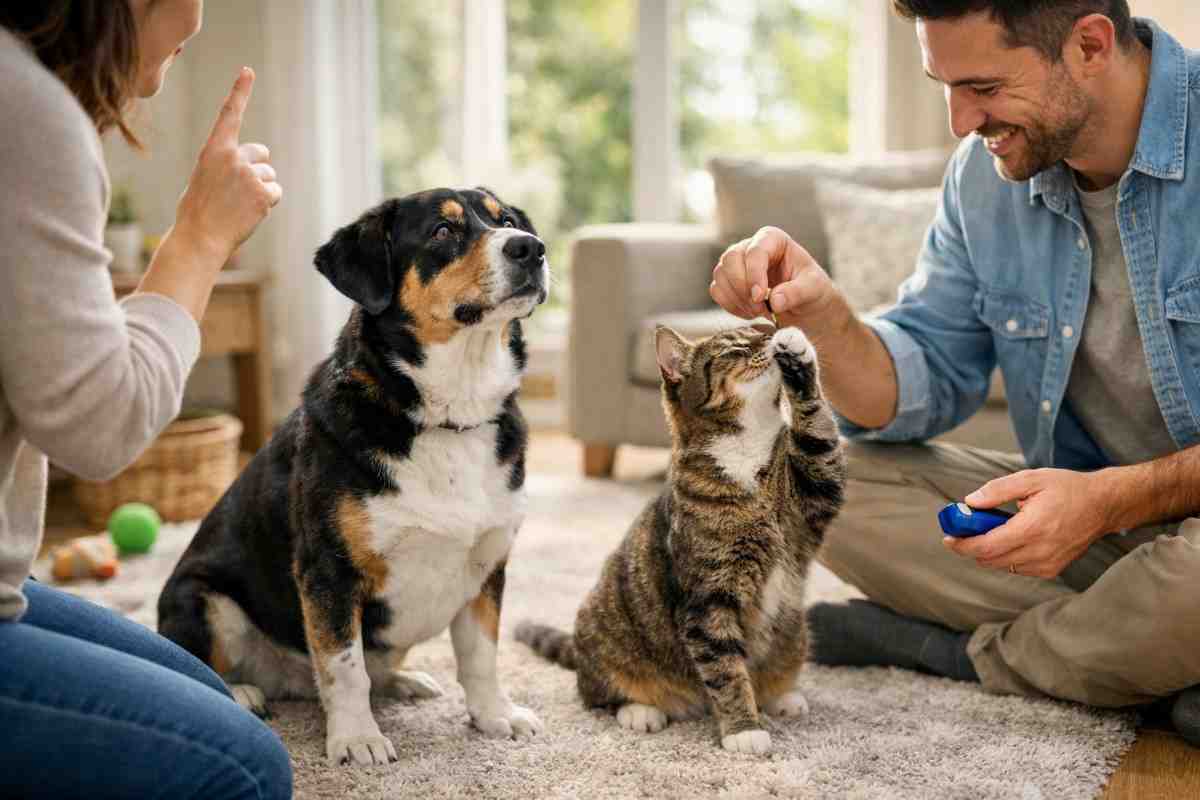
Pets aren’t just animals—they’re family. But living with a dog or cat comes with responsibilities, and one of the most important is basic obedience training. Teaching pets simple commands and encouraging good behavior makes life safer, less stressful, and more enjoyable for both you and your furry friends.
Whether you have a playful puppy, a curious kitten, or a rescue animal adjusting to a new home, understanding basic obedience principles is key to creating a harmonious household.
Why Basic Obedience Matters
Obedience training isn’t about control—it’s about communication. Pets don’t understand language the way humans do, so training teaches them how to interpret your expectations and respond safely.
- Safety: Commands like “come,” “stay,” or “leave it” prevent accidents.
- Better behavior: Reduces destructive habits like scratching furniture or chewing shoes.
- Stronger bond: Training strengthens trust, understanding, and emotional connection.
- Mental stimulation: Learning new commands keeps pets mentally active, reducing boredom-related behaviors.
Basic Obedience for Dogs
Dogs are naturally social and eager to please, making them highly trainable. Key elements of dog obedience include:
1. Essential Commands
- Sit: The foundation for many other commands.
- Stay: Teaches patience and self-control.
- Come: Vital for safety off-leash.
- Leave it / Drop it: Prevents dangerous ingestion or fights with other animals.
- Heel / Walk politely on leash: Ensures enjoyable walks for you and your dog.
2. Positive Reinforcement
Dogs respond best to reward-based training, including treats, praise, toys, or play. Punishment can harm trust and hinder learning.
3. Consistency and Routine
Training sessions should be short, frequent, and consistent. Using the same cues and rewards reinforces learning.
4. Socialization
Expose dogs to different environments, people, and other animals to reduce fear, aggression, or anxiety.
Basic Obedience for Cats
Cats are more independent than dogs, but they can also learn basic commands and routines. Patience and understanding feline psychology are key.
1. Essential Skills
- Come when called: Use treats or favorite toys as motivation.
- Sit or stay (optional): Short commands for mental stimulation.
- Using scratching posts: Redirects destructive scratching from furniture.
- Litter training: Foundation for hygiene and comfort in indoor cats.
2. Positive Reinforcement
Cats respond best to reward-based methods, like treats, toys, or affection. Avoid punishment, which can create fear or aggression.
3. Patience and Timing
Cats need short, engaging sessions. Repetition over days and weeks builds learning, as sudden pressure can backfire.
Tips for Successful Obedience Training
- Start Early: Puppies and kittens absorb lessons faster, but older pets can also learn with patience.
- Use Clear Cues: Keep verbal commands short, consistent, and paired with hand signals if possible.
- Keep Sessions Short: 5–10 minutes for cats, 10–15 minutes for dogs, to maintain focus.
- Reward Immediately: Timing is crucial—pets must associate the reward with the correct behavior.
- Avoid Punishment: Focus on redirecting bad behavior rather than punishing it.
- Gradually Increase Challenges: Practice in different locations and situations to reinforce obedience.
Common Challenges and Solutions
- Distraction: Start in quiet spaces and gradually introduce distractions.
- Stubbornness: Use higher-value rewards or shorter, more frequent sessions.
- Fear or Anxiety: Go slow, provide comfort, and never force interactions.
- Inconsistent Household Rules: Ensure all family members follow the same commands and boundaries.
Final Thoughts
Basic obedience is about mutual respect, communication, and trust. Whether teaching a dog to sit or a cat to come when called, the process strengthens your bond and promotes a happy, safe home.
Remember, obedience training isn’t a one-time event—it’s an ongoing journey. Celebrate small victories, remain patient, and enjoy the growth of a well-behaved, confident, and loved companion.
Training your pets properly today makes them more confident, happier, and safer for years to come. 🐾❤️